SECOND-LIFE SYSTEM
Extending Battery Value Through Echelon Utilization
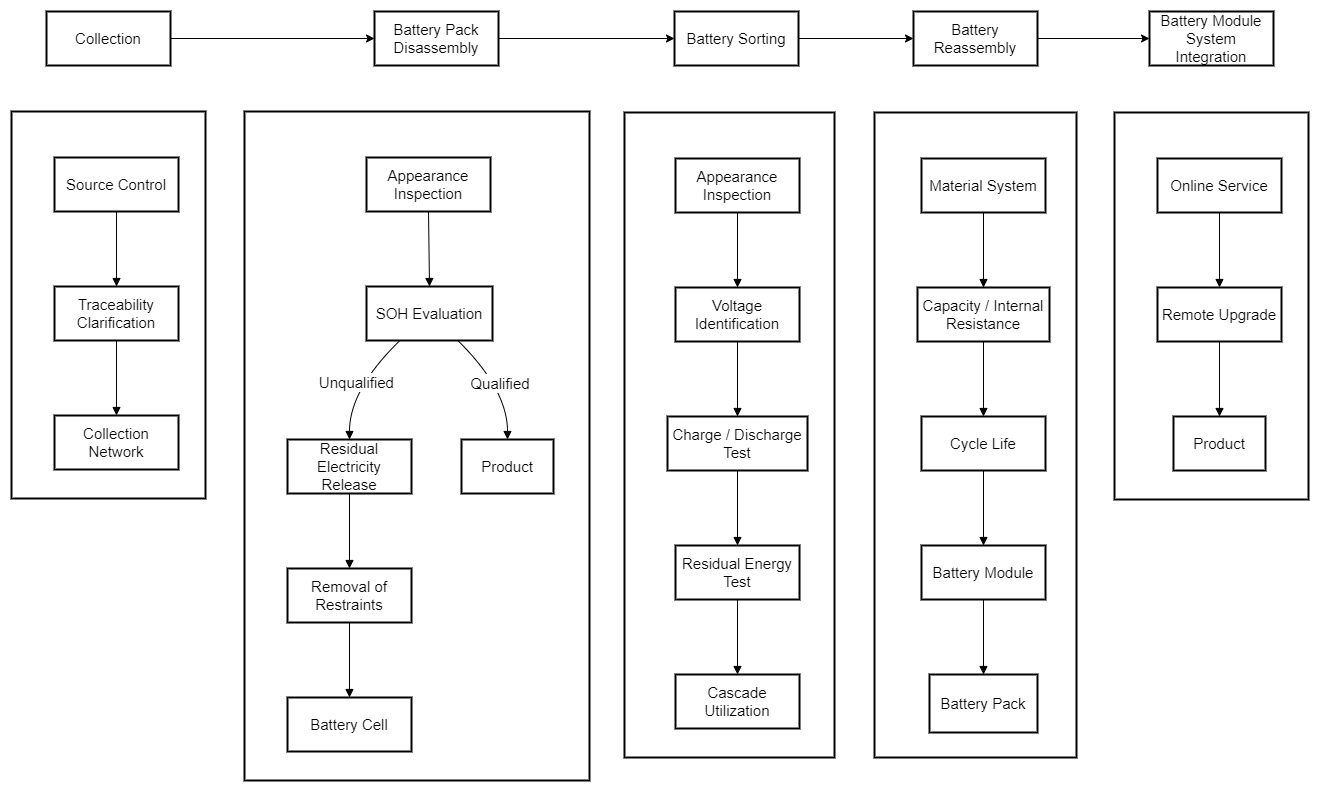
Retired power batteries that still retain 70–80% capacity are not suitable for direct recycling. Through systematic testing, sorting, and module reassembly, these batteries can be applied to energy storage, low-speed vehicles, and other scenarios, extending their service life by 3–5 years and maximizing resource value.
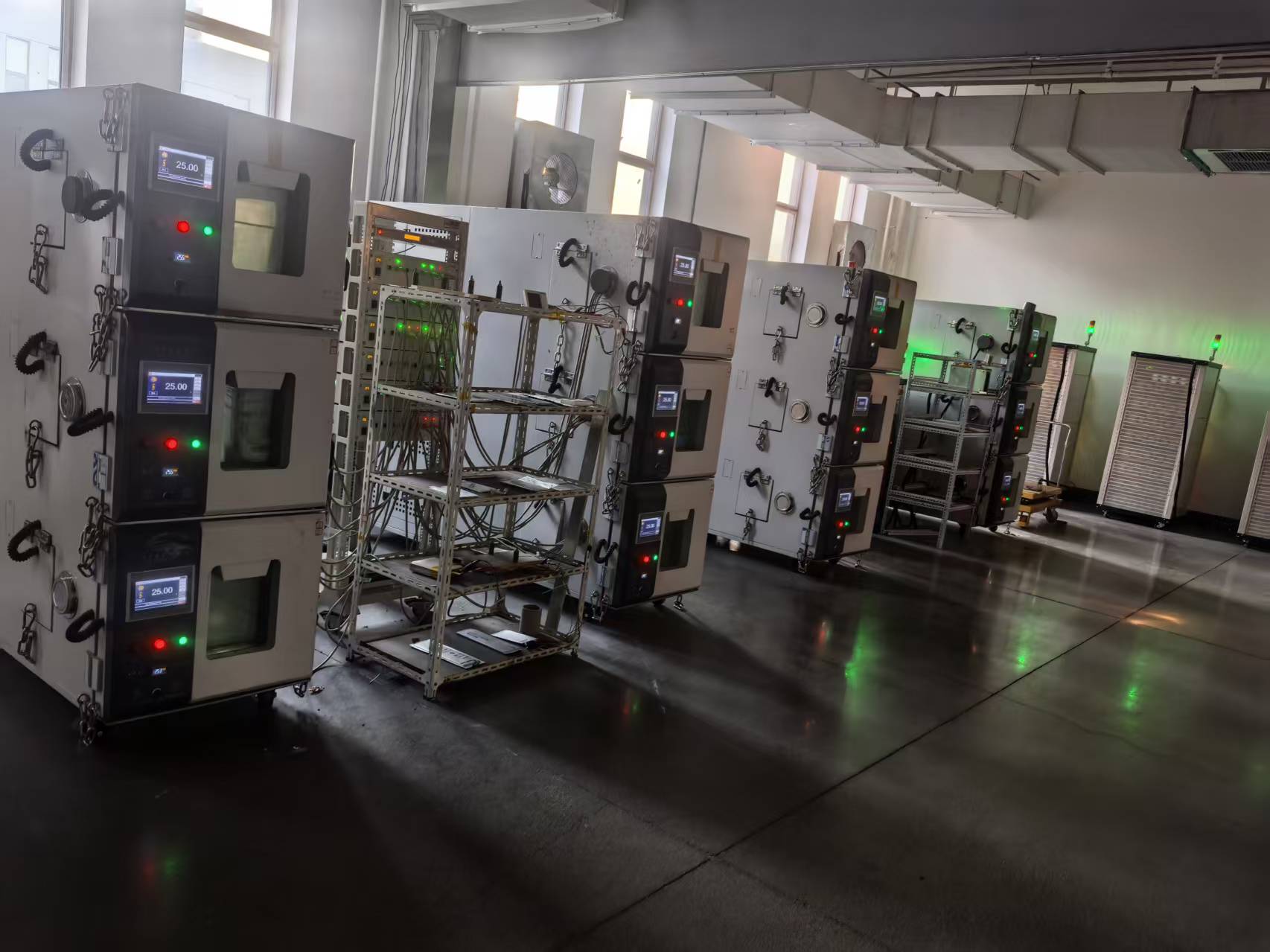
Our second-life system covers the complete process from incoming inspection, capacity testing, consistency sorting, to module reassembly and system integration, helping clients build compliant and efficient echelon utilization production lines.
Automated Testing & Sorting
Capacity & Internal Resistance Matching
Module Reassembly & Integration
Full Traceability System